
Why Your Eye Drops Stopped Working in Houston's Humidity: The Science of Evaporative Dry Eye and Tear Retention
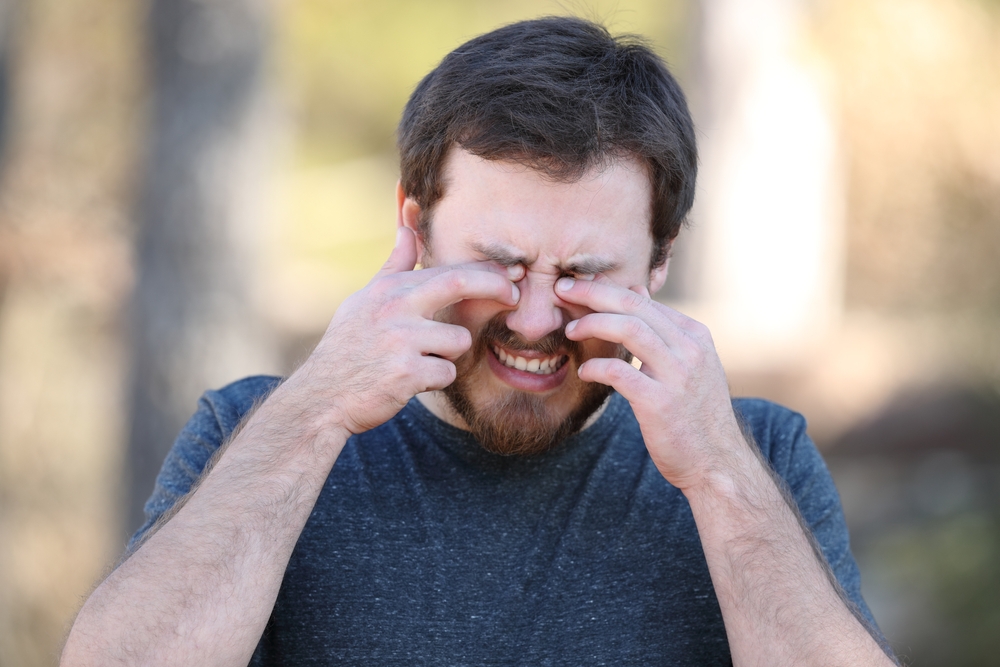
If you keep reaching for artificial tears but your eyes still feel dry, gritty, or irritated, the problem may not be a lack of moisture. For many patients in Houston, persistent symptoms are related to evaporative dry eye - a form of dry eye disease in which tears disappear from the eye's surface too quickly.
Houston's humid climate might seem like it should protect against dry eye, but humidity is only one part of the equation. Air conditioning, screen use, airflow, and problems with the eyelid's oil glands can all make it difficult for your tear film to remain stable.
Why Humidity Does Not Always Prevent Dry Eye
Higher outdoor humidity can help slow tear evaporation. However, Houston patients frequently move between humid outdoor conditions and heavily air-conditioned homes, offices, cars, and businesses. Air conditioning reduces indoor humidity and creates airflow that can increase evaporation from the eye's surface.
Long periods of computer and phone use can make matters worse because we tend to blink less frequently and less completely while concentrating on screens.
Common signs that your tear film is becoming unstable include:
- Burning, stinging, or gritty sensations
- Watery eyes despite feeling dry
- Blurry vision that improves after blinking
- Redness or eye fatigue
- Contact lens discomfort
- Needing artificial tears more frequently than before
Evaporative Dry Eye Often Starts With the Oil Layer
Healthy tears contain more than water. The tear film includes an outer oily layer produced primarily by the meibomian glands along the eyelids. This oil helps slow evaporation and keeps tears spread evenly across the eye.
When these glands become blocked or do not release enough healthy oil, a condition known as meibomian gland dysfunction, or MGD, can develop. Without a strong oil layer, even newly applied artificial tears may evaporate quickly.
That is why adding more eye drops does not always solve the underlying problem.
Eye Drops Add Moisture, but Tear Retention Matters
Artificial tears can be useful for temporary lubrication, but they cannot necessarily correct poor meibomian gland function or an unstable tear film. If the eye cannot retain moisture effectively, relief may become shorter and shorter.
Some patients also use drops so frequently that preservatives in certain formulas can contribute to additional surface irritation. During a dry eye evaluation, we can determine whether your symptoms are related to MGD, inflammation, eyelid problems, reduced tear production, or a combination of factors.
Treating the Cause of Dry Eye in Houston
At Eye Hub Optometry, we look beyond symptoms to determine why your eyes are not staying comfortable. Advanced dry eye testing can help us evaluate the tear film, eyelids, and meibomian glands so we can recommend care based on what is actually causing your symptoms.
Depending on our findings, treatment may focus on improving meibomian gland function, supporting a healthier tear film, reducing inflammation, or improving eyelid hygiene. The goal is not simply to keep adding moisture - it is to help your natural tears remain stable on the surface of your eyes.
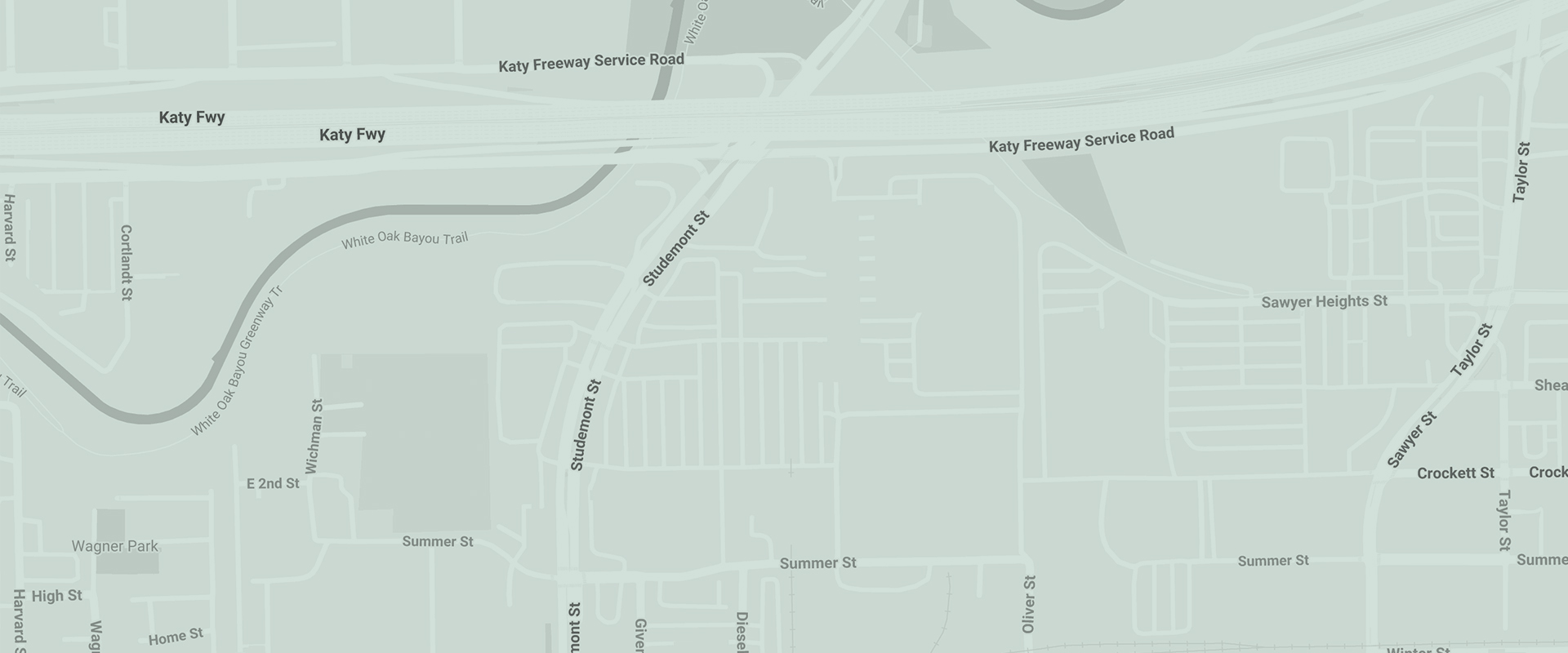
If artificial tears are no longer providing enough relief, schedule a dry eye evaluation with Eye Hub Optometry at 2799 Katy Freeway, Suite 240, Houston, TX 77007, or call (281) 940-6600 to learn more about personalized dry eye treatment.



Contact Info
Office Hours
- Monday 8:00am - 5:00pm
- Tuesday 8:00am - 5:00pm
- Wednesday 8:00am - 5:00pm
- Thursday 10:00am - 7:00pm
- Friday 8:00am - 1:00pm
- Saturday Closed
- Sunday Closed
© 2026 Eye Hub Optometry. All Rights Reserved. Accessibility Statement | Privacy Policy | Sitemap
Powered by: