
Why Myopia Follow-Ups Matter After Your Child Gets Glasses
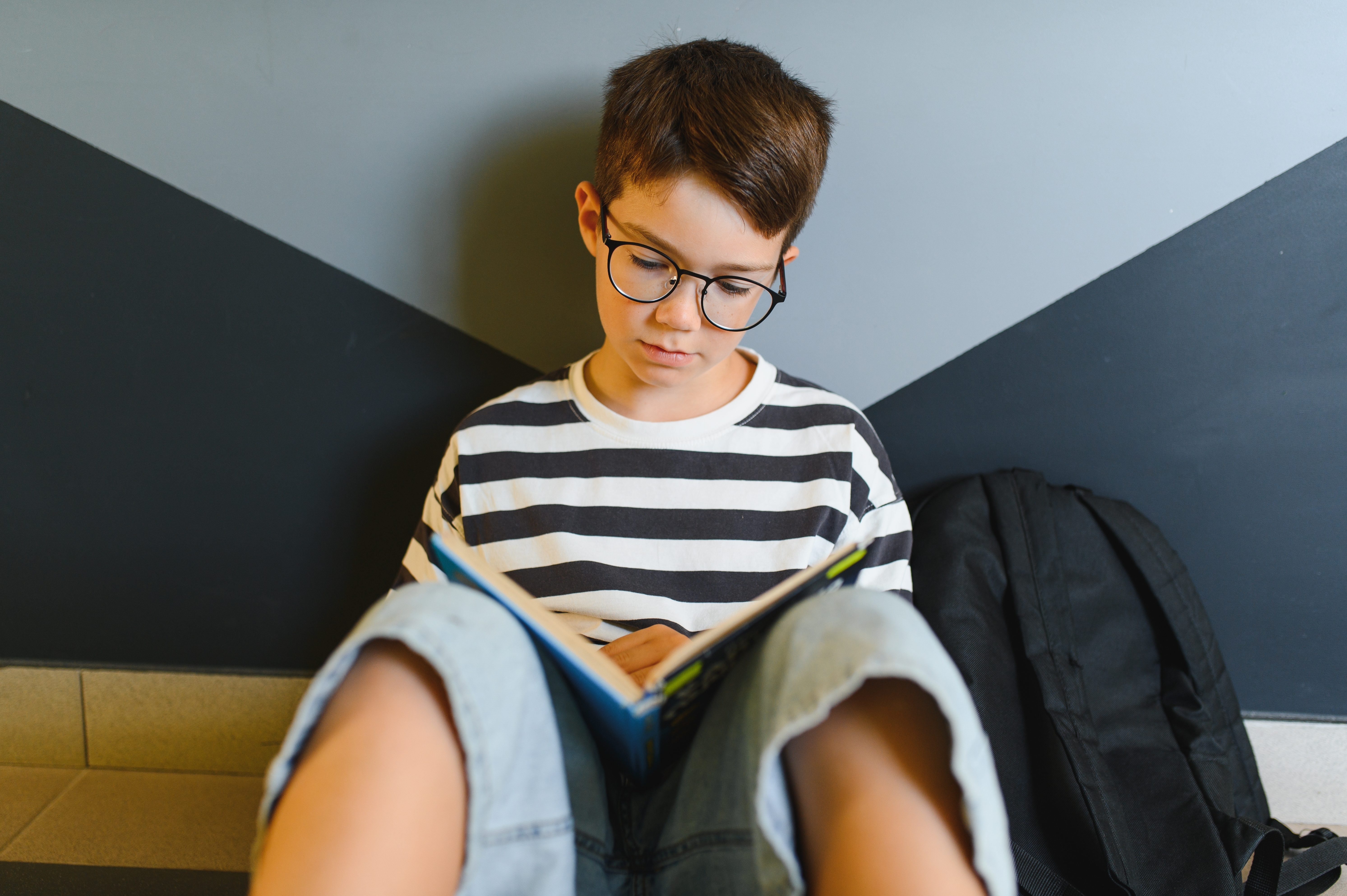
Getting glasses can make an immediate difference when a child is struggling to see the classroom board, road signs, or other distant objects. However, clearer vision with glasses does not necessarily mean childhood myopia has stopped changing. Nearsightedness often progresses as children grow, which is why regular follow-up eye exams remain important.
At Eye Hub Optometry in Houston, we provide pediatric eye exams and myopia management to help parents track changes in their child’s vision and determine when a more proactive approach may be appropriate.
Glasses Correct Myopia but Do Not Always Control It
Myopia, or nearsightedness, causes distant objects to appear blurry. Standard single-vision glasses correct that blur so a child can see clearly again.
What they generally do not do is slow the underlying progression of myopia. A child may continue seeing well through their current glasses while the eyes gradually become more nearsighted.
Follow-up exams give us an opportunity to measure those changes instead of waiting until a child is noticeably struggling with their current prescription.
What Happens at a Myopia Follow-Up?
A myopia progress check looks at more than whether your child can read an eye chart. Depending on their age, prescription, and current treatment, we may review:
Changes in distance vision and prescription strength
How well current glasses or contact lenses are working
Overall eye and corneal health
How quickly myopia appears to be progressing
Changes noticed at school, during sports, or at home
Whether myopia management should be discussed or adjusted
Comparing results from multiple appointments helps us understand how your child’s vision is changing over time.
Why Does Tracking Progression Matter?
Childhood myopia often becomes stronger while the eyes are still growing. Higher levels of myopia are associated with greater lifetime risks of certain eye conditions, including retinal detachment, glaucoma, cataracts, and myopic maculopathy.
Myopia management is designed to slow progression rather than cure nearsightedness. No treatment can guarantee that a child’s prescription will stop changing completely, but regular monitoring helps us determine whether additional treatment may be worth considering.
For Houston parents, this means looking beyond whether a new pair of glasses solves today’s blurry vision and considering long-term eye health as well.
What Signs Should Parents Watch for at Home?
Children do not always realize their vision has changed because blur can develop gradually. A child may simply adapt rather than complain.
Watch for increased squinting, moving closer to screens, difficulty seeing classroom displays, or comments that distant objects no longer look as sharp. If your child repeatedly asks to sit closer to the television or struggles to recognize details from a distance, it may be time for another eye exam.
Do not wait for the glasses to become completely ineffective before scheduling follow-up care.
When Is Myopia Management Considered?
If your child’s prescription continues becoming stronger, we may discuss treatments designed specifically to slow myopia progression.
Eye Hub Optometry offers several myopia management options in Houston, including MiSight contact lenses, Ortho-K, and atropine therapy. The appropriate approach depends on factors such as age, prescription, eye health, lifestyle, maturity, and how quickly the myopia is progressing.
Healthy habits can support the overall plan as well. Regular outdoor time and breaks during prolonged reading, homework, or screen use are worthwhile, but they do not replace prescribed myopia treatment when treatment is recommended.
Keep Monitoring Vision as Your Child Grows
Clear vision through glasses tells us that the prescription is correcting the blur. It does not necessarily tell us whether the underlying myopia is stable.
Regular follow-ups create a record of how your child’s eyes are changing and give us better information for future treatment decisions.
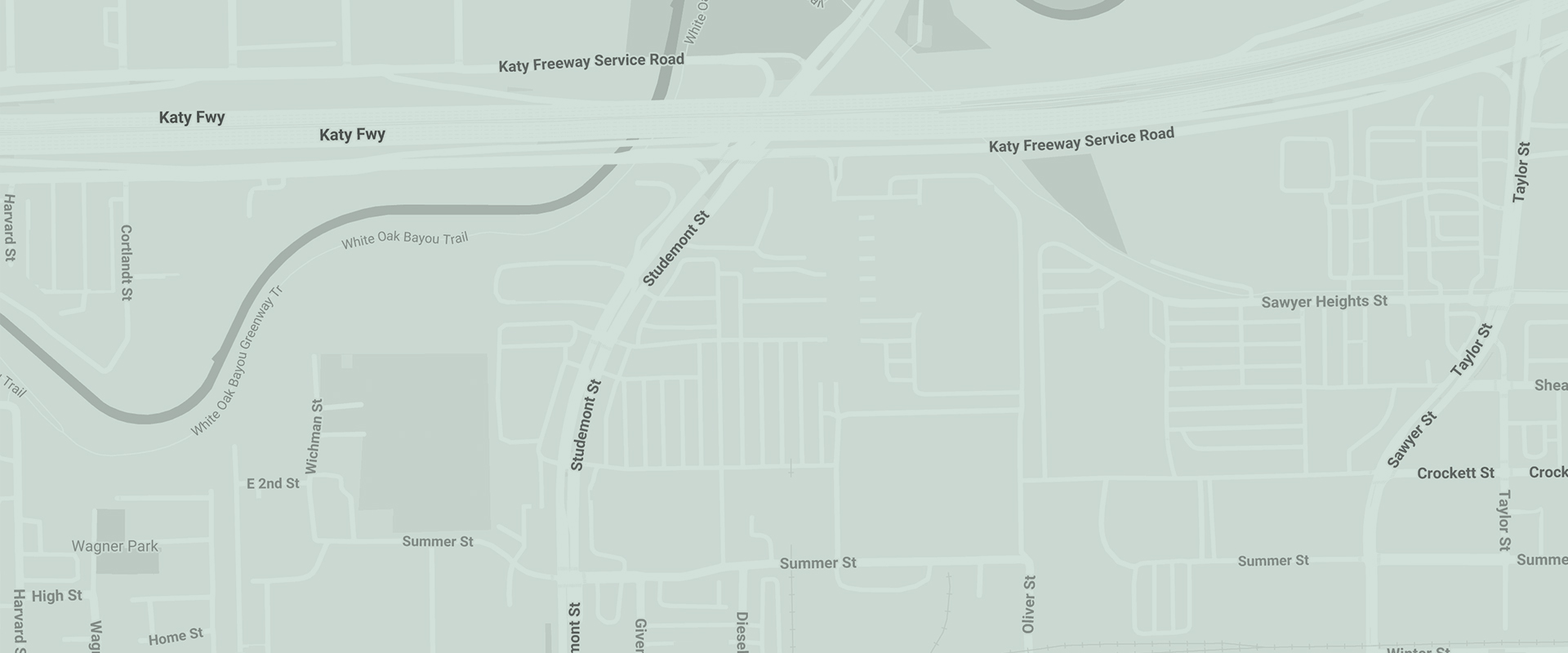
If your child has recently received glasses or their prescription continues getting stronger, contact Eye Hub Optometry at 2799 Katy Freeway, Suite 240, Houston, TX 77007 by calling (281) 940-6600 to schedule a pediatric eye exam or myopia follow-up.



Contact Info
Office Hours
- Monday 8:00am - 5:00pm
- Tuesday 8:00am - 5:00pm
- Wednesday 8:00am - 5:00pm
- Thursday 10:00am - 7:00pm
- Friday 8:00am - 1:00pm
- Saturday Closed
- Sunday Closed
© 2026 Eye Hub Optometry. All Rights Reserved. Accessibility Statement | Privacy Policy | Sitemap
Powered by: