
The Role of Genetics in Common Eye Conditions
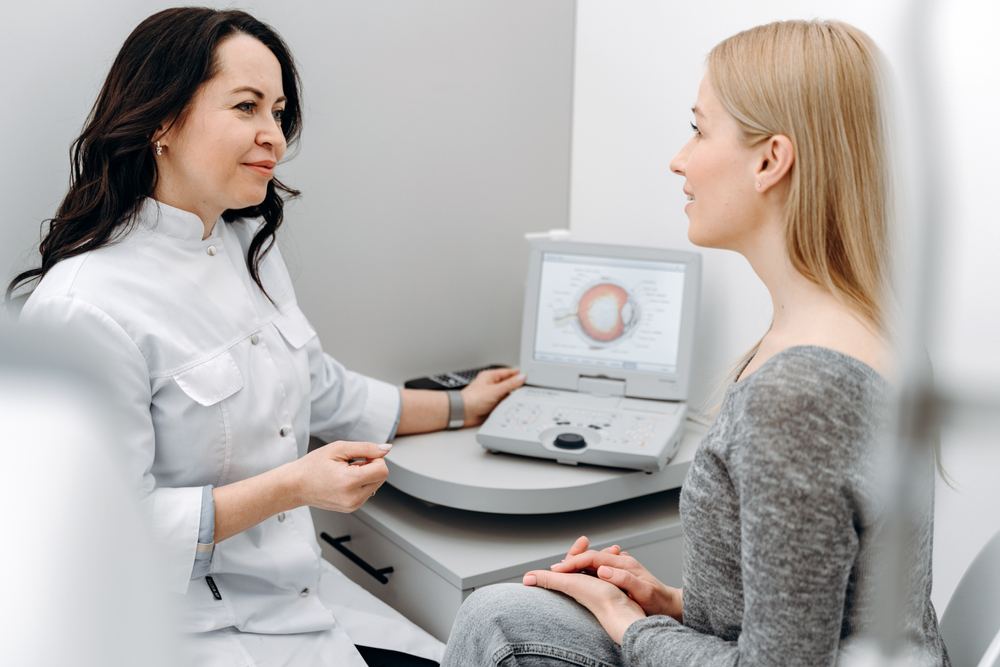
Genetics can play a meaningful role in eye health. Some common eye conditions develop because of age, environment, or overall health, but family history can increase your risk. When we know what runs in your family, we can watch for early changes and recommend care before symptoms become more serious. Several eye conditions are known to have hereditary patterns. These can include glaucoma, macular degeneration, cataracts, keratoconus, and even certain retinal diseases. Nearsightedness can also run in families, especially when both parents are nearsighted. A family history does not guarantee you will develop the same condition, but it can raise the chances. That is why genetics is an important part of a complete eye exam. Your genes are not the only factor that affects your eyes. Lifestyle, age, screen use, UV exposure, diabetes, and blood pressure can also influence vision and eye health. In many cases, genetics creates a higher level of risk, while daily habits and overall health affect how and when a condition appears. That is why we look at the full picture instead of focusing on one factor alone. If you have a family history of eye disease, we may recommend more careful monitoring for: Many genetic eye conditions respond best when they are found early. Some problems begin gradually and do not affect vision right away. A patient may feel fine while subtle changes are already happening. Routine eye exams help us detect pressure changes, retinal concerns, corneal irregularities, and other warning signs before they interfere with daily life. Early diagnosis often gives us more options for treatment and better long-term management. One of the most helpful things you can do is tell us about your family eye history. If a parent, grandparent, or sibling has been diagnosed with glaucoma, macular degeneration, retinal disease, or another serious eye condition, that information matters. Even if you are not sure of the exact diagnosis, sharing what you know can still help guide your care. At Eye Hub Optometry, we use your personal and family history to make eye care more proactive and more precise. Knowing your genetic risk can help us recommend the right exam schedule and monitor your vision with greater confidence over time. Contact Eye Hub Optometry in Houston Heights, Texas by calling (281) 940-6600 to schedule your eye exam.Why Family History Matters
Common Eye Conditions With A Genetic Link
Genetics Is Only Part Of The Picture
Conditions We Watch More Closely
Why Early Detection Matters
What You Should Share At Your Exam
Personalized Eye Care Starts With Your History



Contact Info
Office Hours
- Monday 8:00am - 5:00pm
- Tuesday 8:00am - 5:00pm
- Wednesday 8:00am - 5:00pm
- Thursday 10:00am - 7:00pm
- Friday 8:00am - 1:00pm
- Saturday Closed
- Sunday Closed
© 2026 Eye Hub Optometry. All Rights Reserved. Accessibility Statement | Privacy Policy | Sitemap
Powered by: